Smart Small Bathroom Ideas for Maximized Space
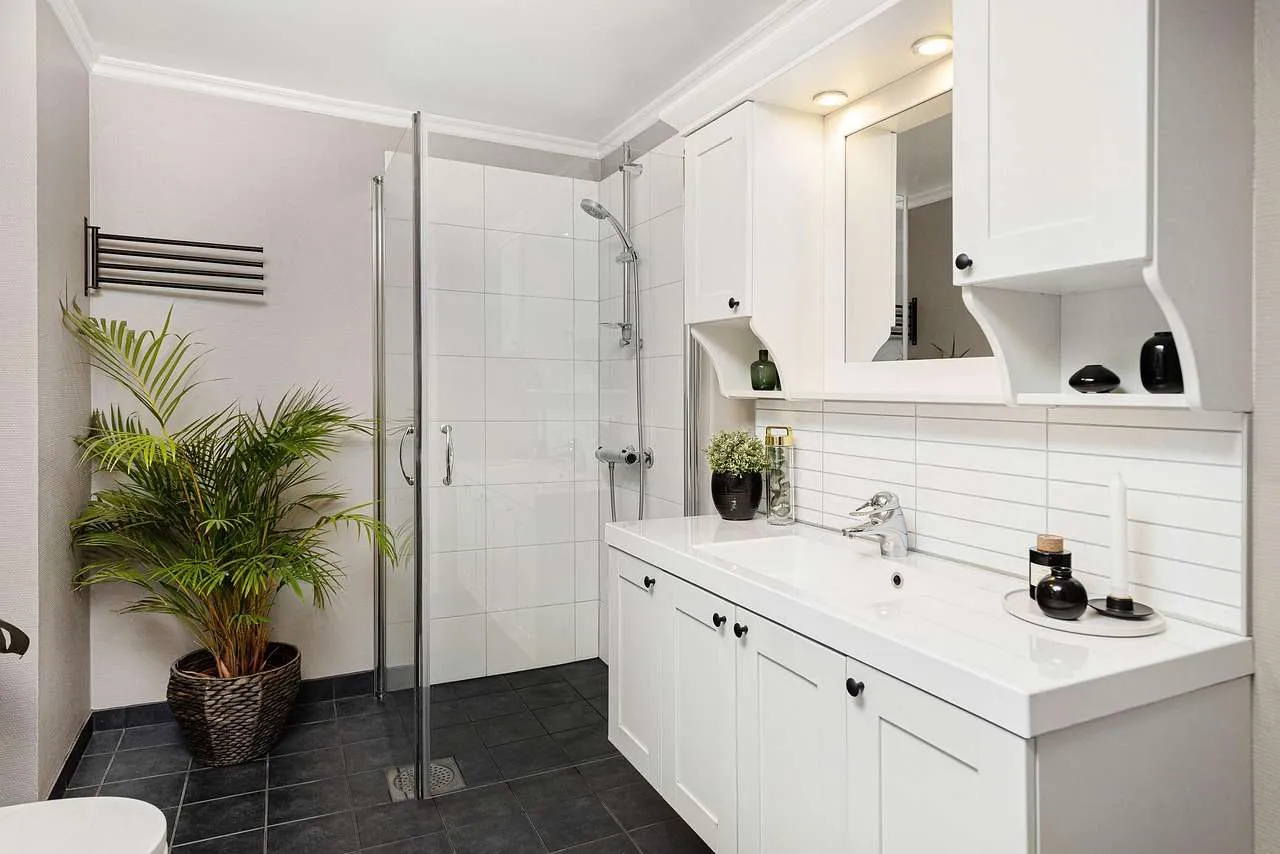
Designing a small bathroom presents a unique challenge: you need to create a space that feels larger, functions efficiently, and remains stylish. This guide compiles expert-recommended small bathroom ideas that address storage, lighting, layout, materials, and budget. Whether you are renovating a powder room or upgrading a full bath, these approaches help you unlock roominess, improve usability, and boost home value without sacrificing aesthetics.
Smart layouts and space-saving fixtures
The foundation of a successful small bathroom is an efficient layout. Start by prioritizing vertical space and minimizing visual clutter. Wall mounted vanities and sinks free up floor area, making the room feel more open. In tight spaces, consider a corner sink or a compact pedestal model paired with a wall cabinet above for essentials. A sliding or pocket door can dramatically reduce swing space, especially when door clearance is limited. If you must place a shower in a narrow footprint, opt for a glass enclosure with a frameless design to preserve sightlines and reflect light.
Floating elements contribute to an airy feel by creating generous visible floor space. Floating toilet bowls, for example, simplify cleaning and visually extend the room. When feasible, recess niches into walls for toiletries and towels, keeping surfaces uncluttered. For bathtubs, choose a compact tub or convert to a shower stall with a slim curb and a slimline door to maintain openness.
Color, materials and lighting that make a bathroom feel larger
Light colors reflect more light and visually expand a small bathroom. Pale neutrals such as soft whites, creams, and cool grays work well as base tones. You can introduce personality with accents in subdued blues, greens, or warm wood tones. Surfaces with a glossy or semi-gloss finish brighten the space; ceramic or porcelain tiles that mimic stone offer durability in moisture-prone areas. Large format tiles reduce grout lines and create a continuous surface that reads as more expansive.
Lighting is a critical factor in perception. Layer ambient, task, and accent lighting to avoid dark corners. A ceiling fixture plus vanity lighting provides even illumination for grooming tasks. Consider a backlit mirror or recessed LED strip lighting beneath floating vanities for a soft glow that enhances depth. Don’t forget ventilation; a quiet, efficient exhaust fan minimizes humidity and prevents mold growth, reinforcing safety and longevity in small baths.
Smart storage ideas that work in compact spaces
Storage is the backbone of a functional small bathroom. Use recessed medicine cabinets with mirrors to gain depth and store daily items close at hand. Over-the-toilet shelving or cabinets maximize vertical space without encroaching on floors. Inside vanity drawers, choose organizers and dividers to keep small items tidy. Consider pull-out pull-down organizers for under-sink areas, which remove the need to bend or reach awkwardly. When wall space is available, install tall, slim cabinets or open shelves above the height of the vanity to store towels and toiletries out of sight yet easily accessible.
Fixtures and finishes: choosing durability and style
Compact fixtures are essential in small bathrooms. Wall-mounted faucets and toilets create a streamlined silhouette, improving perceived space. Transparent glass shower enclosures visually extend the room, while frameless doors minimize visual barriers. For flooring, choose non-slip porcelain or ceramic tiles in a light tone to maintain continuity and brightness. If budget allows, a shower niche and built-in bench can add convenience without bulk. When selecting countertops, opt for solid surface materials that resist moisture and are easy to clean.
Budgeting, timeline and professional help
Small bathroom projects can often be completed with a tighter budget by prioritizing built-in storage, durable finishes, and mini fixtures. Create a phased plan: (1) improve ventilation and lighting, (2) install space-saving fixtures and storage, (3) update surfaces and color palette, (4) finalize accessories. Some tasks, such as plumbing and electrical changes or ADA-compliant installations, typically require licensed professionals. By clearly outlining scope, you can obtain accurate quotes, minimize downtime, and ensure safety compliance.
Comparison at a glance: ideas, pros and cons
| Wall-mounted vanity | Pros: frees floor space; easier cleaning. Cons: installation can be complex. | Best for: mid-size baths where storage is needed without sacrificing floor area. | |
| Pocket door | Pros: saves swing space; opens layout. Cons: more expensive to install; may affect wall structure. | Best for: narrow layouts where door clearance is tight. | |
| Glass shower enclosure | Pros: visually expands; clean look. Cons: requires regular cleaning to prevent hard water marks. | Best for: any small bath wanting openness. | |
| Recessed storage niches | Pros: invisible storage; declutters surfaces. Cons: niche depth limited by wall structure. | Best for: showers and bathrooms with limited vanity space. | |
| Light color palette | Pros: enhances brightness; timeless appeal. Cons: may require more frequent upkeep to look pristine. | Best for: making a small bathroom feel larger. |
Practical maintenance and long-term care
To preserve the look and function of a small bathroom, select moisture-resistant materials and seal grout lines regularly. Schedule annual checks of caulking around tiles, windows, and doors to prevent leaks. A simple routine of wiping surfaces after use reduces soap scum and mineral buildup, helping fixtures maintain their finish longer. By documenting warranties and keeping a maintenance log, you demonstrate diligence and care, which supports trust and credibility with homeowners and designers alike.
Design case: one small bathroom before and after
Consider a typical 5x8 foot bathroom. Replacing a standard vanity with a wall-mounted unit, adding a sliding door, and installing a glass shower panel can transform the space. A light neutral palette, bright LED lighting, and recessed storage create a calm, hotel-like atmosphere. The refreshed room gains perceived space, better air quality, and improved usability, while retaining a sense of style that appeals to future buyers.
Conclusion or careful planning yields the best results for small bathrooms. By combining layout optimization, durable finishes, smart storage, and thoughtfully chosen lighting, you can achieve a space that feels larger, works more efficiently, and remains visually appealing for years to come.
Summary: These small bathroom ideas emphasize intelligent layouts, light colors, layered lighting, and clever storage to maximize space, comfort, and value. Implement wall-mounted fixtures, recessed storage, glass enclosures, and a cohesive color palette for a durable, attractive result that stands the test of time.