Home Window Tinting: Benefits, Costs, and Guide
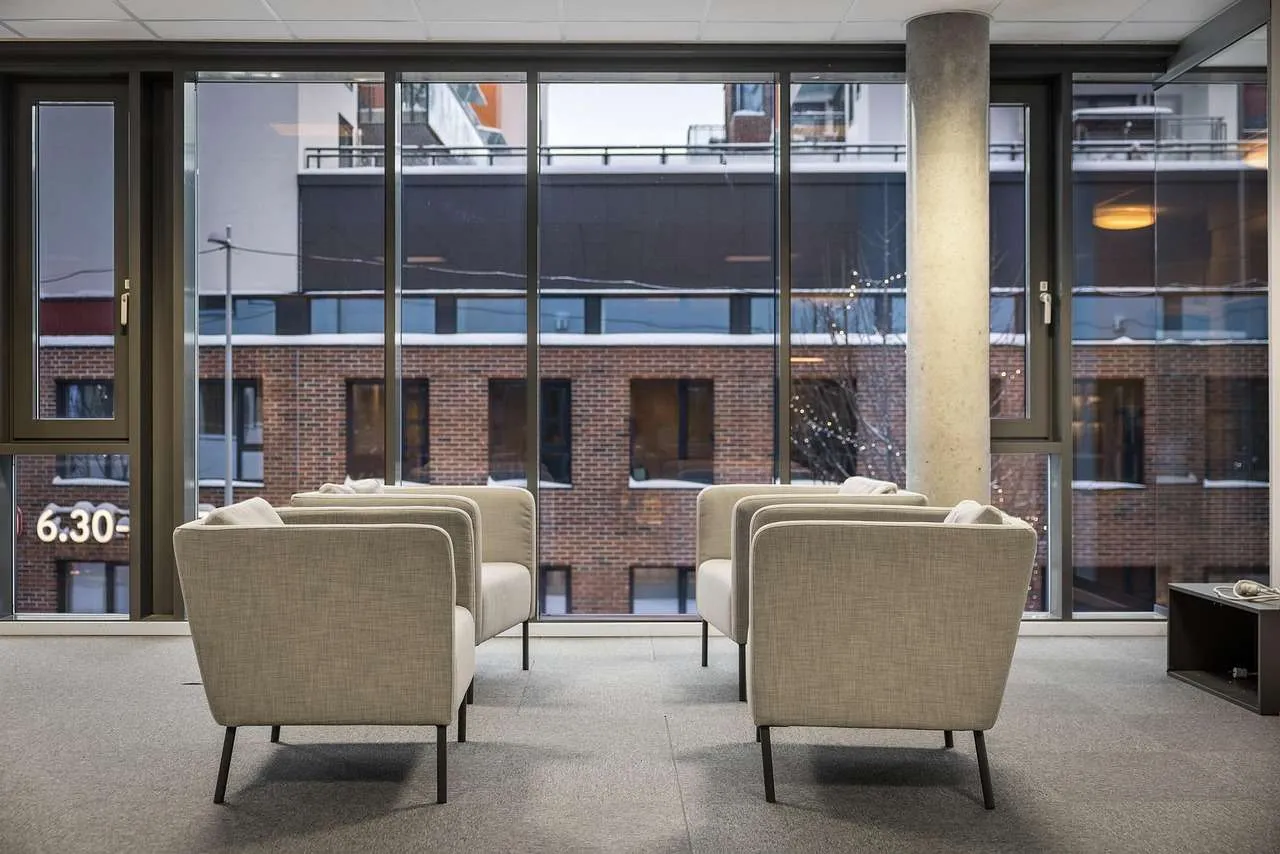
Understanding home window tinting
Home window tinting refers to the application of a thin film to interior or exterior glass to reduce glare, block UV rays, and improve comfort. Modern tint films come in multiple shades and technologies, offering a blend of aesthetics and performance. For homeowners, the decision extends beyond looks to energy efficiency, privacy, and long term value. This guide explains how home window tinting works, what to consider when choosing a film, how to select a trustworthy installer, and what you can expect in terms of cost and ROI.
Benefits of home window tinting
- UV protection to reduce fading of fabrics and furnishings
- Glare reduction for more comfortable rooms and improved screen viewing
- Energy savings by reducing solar heat gain
- Enhanced privacy during the day without heavy blackout
- Added safety in breakage scenarios and improved comfort in hot climates
How tinting works and film options
Tint films are thin polyesters embedded with dyes or metals and sealed with adhesives. The main performance metrics are visible light transmission VLT, heat rejection, and glare control. Ceramic films use nano ceramic particles for high heat rejection with minimal color shift and without metallic interference to electronics. Metalized films reflect heat and can interfere with signals. Dyed films are affordable and vary in shade but may fade over time. When choosing, consider room orientation, climate, and existing window features.
Choosing the right shade and film type
Shade choice is a balance between privacy and natural light. In sun facing rooms, you might opt for a film delivering 60 to 75 percent VLT; bedrooms may prefer higher VLT for privacy. For homes with many electronics, ceramic is recommended for its transparency and stable performance.
Hiring a professional installer with EEAT in mind
Experience and credentials matter. Look for installers with 5 to 10 plus years in residential tinting, valid licenses or certifications, and adequate insurance. Ask for a portfolio of completed projects and before and after photos. Reputable installers provide detailed quotes, transparent pricing, and warranties on both the film and the installation. Read independent reviews and verify adherence to safety standards during window handling and film trimming. A quality installation reduces edge lift and ensures longevity, especially on curved glass and large panes. Choosing a company that communicates clearly, provides documented warranty terms, and stands behind its work demonstrates credible authority and trust.
Costs and return on investment
Prices vary by film type, window size, and home climate. Typical costs per window range broadly, but many homeowners see a payback through energy savings within 2 to 6 years depending on locale and usage. In addition to energy savings, UV protection helps preserve furniture and flooring, while improved comfort can reduce HVAC demand. Warranties vary, so compare coverage for film defects, adhesive performance, and labor. For homeowners, a well explained estimate that includes expected energy savings and a clear warranty is a sign of a trustworthy provider.
Film options comparison
| Option | VLT | Heat Rejection | Durability | Typical Cost per Window |
|---|---|---|---|---|
| Dyed film | 30-70% | Moderate | Moderate | 5-8 |
| Ceramic film | 50-80% | Excellent | High | 8-12 |
| Metalized film | 20-60% | Good | Good | 6-9 |
Maintenance tips to maximize performance include cleaning with soft, nonabrasive cleaners and avoiding harsh chemicals on the film edges. Regular inspections after extreme weather help catch edge lift early and protect adhesion. By selecting an experienced installer and a reputable film, homeowners can enjoy a stable, long lasting finish that preserves interior aesthetics while improving comfort.
Summary: Home window tinting offers a practical path to comfort, energy efficiency, and privacy. By understanding film types, choosing an experienced installer, and budgeting for maintenance and warranty, homeowners can achieve durable, aesthetically pleasing results that align with EEAT standards of experience, expertise, authority, and trust.